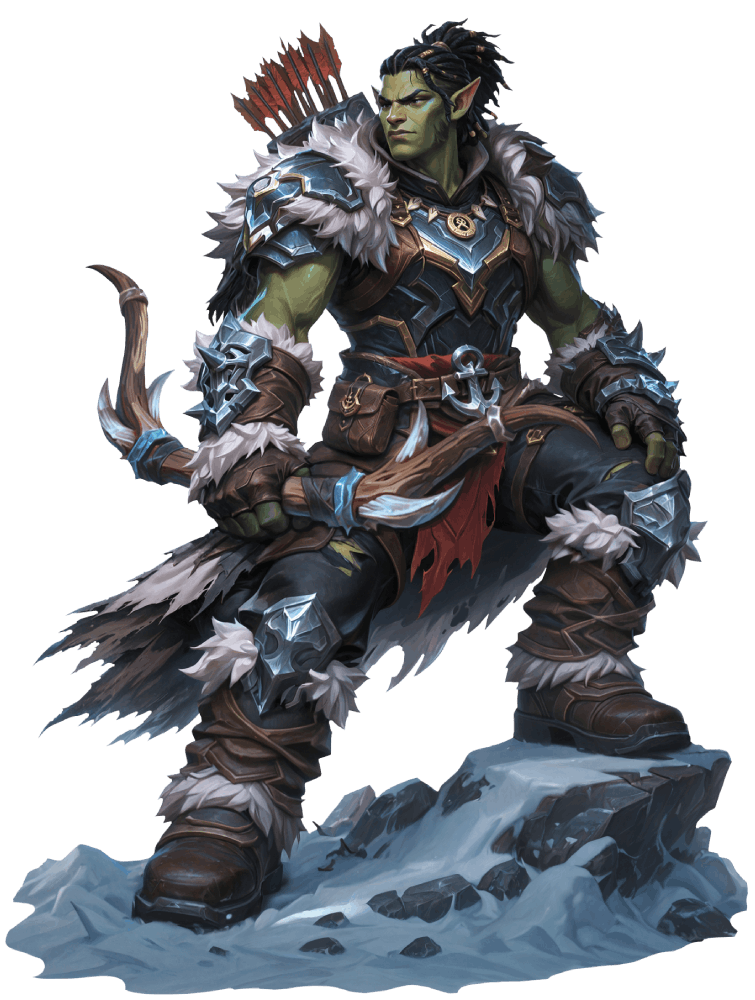


Тысячу лет назад, во времена, когда раса орков вела войну за завоевание материка, на морском берегу обитало небольшое племя. Оно было одним из немногих, кто занимался рыболовством и хранил знания как строить корабли, способные выходить в открытое море. Племя жило мирно, поддерживая обмен ресурсами с соседями и не участвуя в кровопролитных походах.
Их редко замечали. Небольшая численность, скромный достаток и отсутствие политических связей делали племя почти невидимым на фоне великого завоевания. Но этого им и не требовалось: они шли своим путем, ценя свободу и независимость выше славы и власти.
Однако завоевание континента вновь и вновь требовало свежих рекрутов. С каждым годом в поселении оставалось все меньше молодых и сильных орков. Старейшины начинали тревожиться: становилось труднее добывать пропитание и товары для обмена, а главное — некому было передавать бесценные знания предков. Осознав серьезность угрозы, глава племени обратился за советом к шаману.
Шаман провел ритуал, и ему было даровано видение. В его разуме возникла картина будущего, словно укрытая густым туманом: племя гибло в огне войны, и от его следов не оставалось ничего, кроме пепла. Старшие племена праздновали победы, вознося хвалу Паагрио, и никто не скорбел по утраченному наследию — ни по погибшим, ни по знаниям, ушедшим вместе с ними.
Увиденное разожгло гнев в душе шамана. Для чего они восхваляют Паагрио, если их судьба — сгинуть в его же пламени? Какой смысл в верности богу-отцу, если он требует жертв, не оставляя будущего?
Это видение противоречило всему, что ценило его племя. И тогда шаман понял: настало время отвергнуть старого бога. Во имя спасения детей, во имя их будущего, племя должно было выбрать иной путь.
На рассвете шаман созвал совет племени. Мужчины и женщины, старейшины и воины собрались вместе и слушали его молча, не перебивая. Он говорил о видении и неизбежной гибели, о том, что путь, предначертанный Паагрио, ведет их не к славе, а к уничтожению. Шаман предложил радикальное решение: отказаться от воли бога, покинуть эти земли и отыскать собственный путь — свободный от чужих войн и амбиций.
Споры не утихали несколько дней. Звучали сомнения и страхи, рассуждения о том, хватит ли смелости, сил и ресурсов для такого исхода. Но постепенно в сердцах членов племени крепла решимость. Страх уступал место надежде, а колебания — пониманию, что иного пути у них нет.
В конце концов было принято единое решение. Племя покинет материк, доверится морю и собственным силам и отправится на поиски будущего, которое будет построено их руками. Так начался век моря для народа, отвергшего своего бога и избравшего себе новое имя — Воргары, “ушедшие за горизонт”.
Первые поколения воргаров провели много лет в бесконечных скитаниях по северным морям. После изгнания они двигались от острова к острову, редко задерживаясь больше одного сезона. Корабли гибли в штормах, люди умирали от холода и болезней, а попытки найти землю, пригодную для жизни, снова и снова заканчивались разочарованием.
Со временем, однако, воргары научились выживать в этих суровых условиях. Они научились читать смену ветров, распознавать подводные течения по цвету воды, укреплять корпуса кораблей любыми подручными материалами и чинить их прямо в море.
Сотни лет прошли в одном и том же ритме: короткие стоянки, долгие переходы, вечное недоверие к горизонту. Люди болели, корабли тонули, и лишь постоянство ветра оставалось неизменным. Море стало жестоким учителем, но именно оно дало воргарам главное понимание — от него невозможно требовать милости. Выживание зависит не от просьб, а от умения.
Покинув Паагрио, воргары долго избегали любых новых верований. Однако со временем их взгляды изменились. Море не требовало поклонения — оно просто существовало. И чем больше лет они проводили среди вод и льдов, тем яснее становилось: путь зависит только от них самих. Море не спасает, но и не предает; оно отвечает лишь на способность понимать его, принимать решения вовремя и не ждать указаний свыше.
Эта мысль постепенно стала основой быта. Каждый сам прокладывал свой путь, а сила определялась не происхождением, а умением выживать в шторме и вести за собой других. Так сложилась новая культурная основа — уважение к знанию и мастерству. Шаманами стали не провидцы, а те, кто знал море лучше прочих; почитание перешло от духов к опыту старейших кормчих; на место ритуалов пришла передача навыков.
Постепенно отдельные семьи начали оседать на островах, хоть сколько-нибудь пригодных для жизни. Иногда это были голые скальные выступы, где умещалось лишь несколько хижин; иногда — узкие полосы тундры с единственным пресным источником. Так возникали малые стоянки, которые со временем превращались в кланы.
Ограниченность ресурсов вынудила кланы наладить обмен. Одни освоили охоту на тюленей и добычу жира, другие нашли острова с медной рудой, третьи научились плести прочные канаты из морских водорослей. Постепенно из этих связей выросла торговая сеть. Зимой любой остров мог выжить лишь потому, что соседний присылал пищу, древесину или материалы для ремонта кораблей.
Чтобы предотвращать конфликты и устанавливать общие правила торговли и прохода через проливы, был создан Совет адмиралов. В него входили самые опытные капитаны — по одному от крупнейших кланов. Они не правили морем, но следили за соблюдением порядка и решали вопросы, от которых зависела жизнь всех воргаров. Совет собирался на разных островах, однако со временем стало ясно: нужен постоянный центр, способный принять множество кораблей и удобно расположенный для торговли.
Так столицей стал Раудскар — большой остров, покрытый корабельным лесом и обладавший удобной бухтой, защищенной скалами от штормов. Поначалу это была лишь надежная гавань, но со временем вокруг нее вырос город. На верхних ярусах располагались дома старших кланов и склады, ниже — корабельные мастерские и глубокие доки, где суда могли чинить даже во время зимних штормов. Раудскар стал местом, где сходились торговые пути, принимались решения по флоту и собиралась вся морская информация.
На первом Совете Адмиралов в Раудскаре было решено дать имя государству, которое сформировалось на этих островах — Ур-Левиар, Ледяной Край.
Так из разрозненных групп выживших, разбросанных штормами по северным морям, возник народ, который перестал искать сушу. Они нашли дом в море — и построили вокруг него целый мир.
Когда воргары обосновались на островах Ур-Левиара и перестали быть беглецами, став народом моря, перед ними встала необходимость освоить Путь Левиафана — опасное море между северными островами и старым материком. Для других народов Путь был испытанием, которое нужно было пережить. Для воргаров же он стал разговором, который следовало вести правильно. Если ты говоришь верно — море слышит тебя. А если море слышит, ты возвращаешься домой.
Путь Левиафана был живым и смертельно опасным. В его водах скрывались гхаррмаши — гигантские морские змеи, способные одним ударом хвоста перевернуть корабль. Воргары научились распознавать их приближение заранее: по запаху серы в воздухе и всплывающей мертвой рыбе. Менялись течения и ветра, способные сорвать с курса любое судно, если не понимать прихотей моря. На остовах погибших кораблей появлялись вардрёгги — духи умерших моряков, проверявшие решимость и внимательность тех, кто осмеливался пройти этим путем.
Для воргаров море никогда не было врагом. Оно требовало изучения и уважения. Тот, кто умел его слышать и читать, мог вести флот по Пути Левиафана, предугадывать опасности и обходить их прежде, чем они становились смертельными. Именно это умение стало основой власти и влияния в Ур-Левиаре.
Сотни лет наблюдений и переходов превратились в знание, передаваемое от наставника к ученику. Воргары выработали навыки, позволявшие проходить Путь Левиафана без потерь. Те, кто владел этим искусством лучше всех, со временем получили имя моргримы.
Моргримы не были наследственным титулом или привилегией. Это было звание, подтверждавшее способность вести флот через Путь Левиафана, сохраняя спокойствие, уверенность и внимание к малейшим изменениям моря. Со временем для отбора достойных сформировалось Испытание Трех Глубин — проверка мастерства, выносливости и разума, где любая ошибка могла стоить жизни. Лишь прошедшие его признавались моргримами, достойными чести вести воргаров за собой.
Первая Глубина требовала силы и безупречного владения оружием. Испытуемый должен был в одиночку убить морское чудовище — без магии, используя лишь холодное оружие и веревку. Не с борта корабля, а в воде, где преимущество изначально принадлежало монстру. Здесь проверялись не только физическая мощь, но и умение сохранять хладнокровие в момент смертельной опасности.
Вторая Глубина испытывала разум и выдержку. Воргару предстояло провести ночь на Острове Утопленников, где обитали вардрёгги — духи погибших моряков. Нельзя закрывать глаза. Нельзя отвечать голосам. Нельзя касаться того, что движется в тумане. К рассвету многие сходили с ума или исчезали бесследно. Те же, кто доживал до утра, обретали способность слышать море — распознавать его знаки и чувствовать приближение опасности задолго до ее проявления.
Третья Глубина становилась кульминацией испытания. Воргар должен был в одиночку пройти Путь Левиафана на скьяре — небольшом судне, длиной всего в десять шагов. Без команды, без запасного паруса, среди изменчивых течений, скрытых рифов и гигантских морских существ. Пройти этот путь означало стать моргримом — тем, кто способен вести флот через самое опасное море мира.
Те, кто выдерживал все три Глубины, возвращались иными. Моргрима можно было узнать по спокойствию, с которым он смотрел на воду: не с вызовом и не с благоговением, а как на равного. Он прокладывал курс там, где обычные штурманы отступали перед неопределенностью, и чувствовал опасность задолго до того, как ее можно было увидеть или услышать.
Дроган Ледяной Клык и Кромм Скалтайд стояли над разложенной картой Пути Левиафана. На пергаменте не было ни украшений, ни знаков славы — лишь линии течений, пометки штурманов и отметка места, где три дня назад видели след Гхаррмаша.
— Течение меняется, — сказал Дроган. Он не поднимал глаз, лишь медленно провел пальцем по карте. — Если двинемся сейчас, придем на два дня раньше.
Кромм фыркнул и оперся на стол кулаком.
— Или встретим змея прямо под килем. Торопишься на свидание?
Дроган слегка приподнял голову. Не раздраженно — скорее оценивающе, как смотрят на волны перед бурей.
— Ты предлагаешь ждать?
— Я предлагаю идти быстрее, пока ветер позволяет, — Кромм ткнул пальцем в линию, которую Дроган обвел бы с осторожностью. — Если Гхаррмаш поднимется, уйдем под углом. Не впервой.
— Так говоришь, будто море у нас в подчинении.
— Море любит тех, кто движется, — усмехнулся Кромм. — А не тех, кто по десять раз изучает одни и те же облака.
Они замолчали. Их разговоры всегда были такими — прямыми, иногда резкими, но без вражды. Каждый знал: другой видит то, что ускользает от его собственного взгляда.
Дроган перевел взгляд на компас — старый, с темной царапиной на крышке.
— Шторм откатывает к северу, — сказал он. — Если войдем слишком рано, попадем в его хвост.
— А если слишком поздно, получим встречный ветер, который скормит нас Гхаррмашу, — отрезал Кромм. — Мои люди готовы. Они знают, что идти придется быстро.
— У меня тоже готовы, — тихо ответил Дроган. — Но готовность — не причина терять корабль.
Кромм выпрямился.
— Ты хочешь, чтобы я остался? Пока ты поведешь драккары своим путем?
— Я хочу, чтобы ты вел тех, кто пойдет по левому краю течения, — сказал Дроган. — Ты чувствуешь ветер лучше меня. Общую линию держу я.
Кромм усмехнулся коротко, без злости.
— Вот и говорил бы сразу. А то начинаешь с этих твоих “если море позволит”.
— Море позволяет только тем, кто не врет себе, — ответил Дроган. — Поэтому нас и двое.
Кромм кивнул. Между ними не было дружбы, но было понимание: без одного второй станет слепым. Дроган — без его осторожности. Кромм — без его напора и решимости.
— Ладно, — сказал Кромм. — Я возьму три судна и пойду по левому краю. Если станет опасно — вернусь в общий строй.
— Вернешься, — повторил Дроган, глядя ему прямо в глаза, — даже если ветер будет в твою пользу.
Кромм усмехнулся:
— Смотрите-ка, Верховный адмирал умеет приказывать так, что не хочется спорить.
— Выходим по моему сигналу, — строго сказал Дроган и сложил карту.
— Дай только знак, — Кромм хлопнул его по плечу и направился к своему кораблю.
Дроган остался один. Он провел ладонью по крышке компаса и тихо произнес:
— Слышишь нас?
Стрелка дрогнула, едва заметно качнувшись.
Он кивнул — будто этого ответа было достаточно — и направился к команде.
В настоящее время Ур-Левиаром управляют два моргрима, чьи решения определяют ход дел всего Ледяного Края. Старший из них, Дроган Ледяной Клык, соединяет стратегическое мышление с опытом, накопленным за десятки лет морских переходов. Он изучает карты, прокладывает маршруты, учитывает течение и ветра, предугадывает, где скрываются опасности и каким образом их можно обойти. Его подход сдержан и расчетлив: каждое решение тщательно выверено, но его вес ощущается на всех кораблях и во всех портах Ур-Левиара.
Младший моргрим, Кромм Скалтайд, во многом противоположен Дрогану. Он стремителен и смел, склонен действовать быстро, проверяя на прочность и экипаж, и само море. Там, где Дроган анализирует глубины и течения, Кромм испытывает храбрость людей и точность команд. Его импульсивность нередко несет риск, но именно она вдохновляет: Кромм показывает, что с непредсказуемостью Пути Левиафана можно столкнуться лицом к лицу, не теряя решимости и воли.
Дроган и Кромм не были друзьями, однако вместе они создали равновесие, на котором держится власть Ур-Левиара. Первый обеспечивает стабильность и долгосрочное планирование, второй — движение и инициативу. Когда возникает вопрос, стоит ли идти новым маршрутом, Дроган сверяет карты и расчеты, а Кромм готов проверять его выводы на практике. Именно благодаря этому союзу Путь Левиафана стал не просто морским коридором между материками, но основой могущества воргаров — моргримы, ведомые ими, способны вести флот туда, куда не решается идти никто другой.
Путь Левиафана по-прежнему остается смертельно опасным. Волны и течения скрывают рифы и водовороты, а встреча с гигантскими морскими существами или внезапная смена ветров может стоить кораблю гибели. Но воргары выжили здесь не потому, что были сильнее остальных, а потому, что научились понимать море как живую систему — его движения, звуки, запахи, реакцию воды на перемену ветра.
Моргримы стали проводниками этого знания. Они не подчиняют море и не поклоняются ему. Они слушают, изучают и учитывают его — и именно поэтому море позволяет им идти своим путем.
В архивах Раудскара хранились карты, на которых был изображен материк далеко к югу от Пути Левиафана — земля, где, согласно легендам, гномы когда-то добывали металл цвета утреннего неба. Дроган изучал эти свитки годами, вновь и вновь возвращаясь к ним, ощущая в линиях берегов и пометках штурманов зов моря, которому невозможно противиться.
Кромм наблюдал за ним и понимал: это не просто карты. В них звучал голос предков — тех, кто ушел за горизонт и не вернулся, но оставил после себя знание и направление. И когда Совет Адмиралов наконец дал согласие на экспедицию, решение уже не вызывало сомнений.
Флот из тридцати кораблей вышел в море под предводительством Дрогана и Кромма. Среди них были моргримы и лучшие моряки Ур-Левиара — люди, привыкшие к штормам, холодам и смертельным переходам. Они были готовы к любым испытаниям, которые могло послать море.
Но к тому, что ожидало их впереди, не был готов никто.
Путь был спокойным первую неделю. На восьмой день впередсмотрящий драккара “Вельдраугр” закричал, указывая на горизонт. Там, где небо встречалось с водой, появилась темная полоса — словно кто-то провел углем черту между мирами.
Дроган поднял подзорную трубу. Его лицо оставалось спокойным, но пальцы сжали латунный корпус чуть сильнее.
— Убрать паруса наполовину. Приготовить штормовые якоря. Привязать всех, кто на палубе.
Шторм пришел без предупреждения.
Небо затянуло так, будто над флотом перевернули черную чашу. Звезды исчезли. Луна погасла. Ветер сменил направление дважды за час — сначала дул в корму, потом резко ударил в лоб с такой силой, что паруса рвались, как гнилая тряпка.
Волны выросли без всякого порядка. Одни били в борт, другие накатывали с кормы, третьи поднимали корабли, словно щепки, и швыряли вниз с такой высоты, что киль ломался о воду, словно о скалы.
Море ревело — не шумело и не шипело, а именно ревело, как живое существо, которому причинили боль.
Звуки рога тонули в грохоте. Команды не были слышны даже в трех шагах. Волны смывали воргаров с палуб, и никто не слышал их криков.
Дроган стоял у штурвала “Гримнирсхолла”, вцепившись в рукояти так, что кожа на ладонях лопнула. Рядом штурман держал магический компас — но стрелка кружилась, как сумасшедшая, то указывая на север, то вниз, в глубину, то застывая, дрожа.
— Это не обычный шторм! — закричал штурман, но его голос утонул в вое ветра.
Дроган знал. Это был один из Забвенных штормов. Тех, о которых рассказывали лишь шепотом. Худший из всех виденных. Возможно — легендарный Шторм Забвения, имя которого знали все капитаны Пути Левиафана.
Магический ураган, где не действовали ни законы навигации, ни законы времени, ни законы разума.
Молния ударила в мачту одного из кораблей слева от флагмана. Дерево вспыхнуло мгновенно, несмотря на дождь. Корабль начало крутить, а через минуту его накрыла волна — и он ушел в глубину, оставив после себя только горящие обломки.
— ДЕРЖАТЬ СТРОЙ! — ревел рог, хотя Дроган знал, что никто его не услышит.
Кромм на “Вельдраугре” пытался маневрировать, но беспорядочные волны не позволяли ему. Корабль подбросило так высоко, что на мгновение Дроган увидел его силуэт на фоне черного неба: драконья голова на носу оскалилась, словно бросая вызов буре.
Потом “Вельдраугр” рухнул вниз. Киль треснул с таким грохотом, что звук пробился сквозь рев шторма.
Когда наконец наступил рассвет, море стало мертвенно спокойным. Вода была черная и гладкая, вокруг плавали обломки кораблей и тела. Из полутора тысяч воргаров уцелели лишь несколько сотен. Перед ними раскинулся ледяной берег неизвестного материка — серый, холодный и равнодушный. Они цеплялись за обломки кораблей, выбираясь на берег, промерзшие, израненные, но живые.
Дроган был среди них — мокрый, окровавленный , но живой. Его “Гримнирсхолл” выбросило на мель, и он остался почти цел. Кромм вышел из воды последним, волоча за собой раненого моряка. “Вельдраугр” лежал на боку, разломанный пополам.
Они собрались на берегу — жалкая кучка измученных людей, промерзших и ослабших, потерявших большую часть флота.
Дроган перевел взгляд к горизонту. Моря за их спинами уже не было — только туман, непроглядный и молчаливый.
— Считаем живых, — сказал он ровно. — Хороним мертвых. Ищем укрытие.
Кромм усмехнулся, держа в руках свой помятый рогатый шлем с одним сломанным рогом; его глаза были полными огня:
— Значит, мы нашли новые земли?
Дроган не ответил. Но в его взгляде было то, что Кромм понял без слов:
Не мы нашли. Нас нашло.
Пока воргары вытаскивали на берег уцелевшие припасы, разведка обнаружила вход под гору. Старые гномьи шахты уходили в глубину, пахли ржавчиной и угольной пылью. Рельсы были искривлены, вагонетки перевернуты, а руны на стенах потускнели от времени.
Дроган вошел первым, держа факел. Своды оказались крепкими, залы — огромными. Похоже, именно здесь когда-то добывали митрил — металл цвета утреннего неба, из которого гномы ковали лучшие клинки и доспехи. Но шахты были давно заброшены, лишь эхо их былой жизни гудело в каменных коридорах.
— Мы остаемся здесь, — сказал Дроган.
Воргары переглянулись.
— Обустраиваемся, — продолжил он. — Остальные корабли либо утонули, либо ушли в другие воды. Если они живы — найдут нас. А пока…
Он повернулся к входу, откуда дул ледяной ветер, пахнущий снегом и чем-то еще — дикостью, опасностью, возможностями.
— …пока мы обживаем то, что дало нам море.
Один из молодых воргаров, прошедший лишь Первую Глубину, тихо спросил:
— А почему гномы ушли отсюда?
Дроган посмотрел в глубину шахты, где тени плясали от факелов, растягиваясь и скручиваясь по стенам.
— Позже разберемся, — сказал он ровно. — Сейчас важнее — выжить до весны.
Воргары начали методичное освоение новой территории. Холмы и леса очищались от опасных существ, а старые постройки либо ремонтировались, либо разбирались, чтобы построить новые укрепления. Шахты углублялись и укреплялись, превращаясь в склады, казармы и кузницы. Железная дорога, ведущая к шахтам, была восстановлена, а вагонетки снова использовались для перевозки руды и древесины.
Старая гавань постепенно превращалась в настоящий порт: восстанавливались причалы и доки, строились верфи для новых кораблей. Рядом с шахтами появились первые деревянные дома и бараки. Со временем прокладывались дороги, возникали рынки и торговые точки. Территория вокруг поселения становилась управляемой и безопасной, формируя стратегический узел для контроля ресурсов материка и торговых путей.
Постепенно поселение превратилось в порт-шахту — место, где земля и море находились под контролем воргаров. Укрепленные шахты и гавань позволяли управлять ресурсами, обеспечивать оборону и планировать дальнейшее расширение на материке.
Окрестные земли оказались небезопасны: на холмах обитали стаи гноллов и гоблинов, а в руинах гномьих строений обосновались бандиты и изгои. Воргарам предстояло навести порядок на своей территории, чтобы новая земля стала их домом, а не ловушкой.
Дроган собрал совет капитанов в главном зале.
— Мы остаемся здесь надолго. Может быть, навсегда. Это место — наш новый порт. Но сперва нужно расчистить землю.
Кромм усмехнулся, проводя пальцем по лезвию своего топора:
— Я поведу воргаров. Дай мне месяц.
— Добро, — ответил Дроган. — И вернись живым. У нас слишком мало людей, чтобы терять их в драках с шакалами.
Кромм Скалтайд повел первый рейд лично. Он вышел на холмы с сотней воинов в легкой кольчуге, вооруженных топорами и абордажными крюками. Они двигались так, как привыкли двигаться на палубах в шторм — быстро, молча, уверенно — каждое их движение было отточено морем.
Гноллы учуяли их по запаху и окружили, воя и скаля клыки. Их было больше трехсот — целая стая. Они считали, что перед ними легкая добыча. Чужаки. Раненые после шторма. Слабые.
Они ошиблись.
Кромм не стал отдавать команды. Он просто шагнул вперед, схватил вожака стаи за горло — огромного седого гнолла с шрамами по всей морде и поднял над землей одной рукой.
Тот взвыл, задыхаясь, царапая воздух когтями. Кромм повернулся к остальным гноллам и произнес всего одну фразу:
— Бегите. Или умрите здесь.
Потом резко сжал пальцы и отпустил зверолюда. Бездыханное тело вожака упало к его ногам. Стая дрогнула. Несколько молодых гноллов рванули вперед, оскалившись, но воргары встретили их топорами с хладнокровием, отточенным годами морских походов.
За два месяца эти земли были подчинены. Но не даром — тридцать четыре воргара не вернулись. Их похоронили по старому обычаю — в прибрежных водах, с оружием и доспехами.
На берегу поставили камень с именами — простой, без украшений. На нем воргарскими рунами было высечено:
"Первые павшие на Разграбленных Равнинах. Море их помнит."
Так воргары закрепились на Разграбленных Равнинах — не по собственной воле, но по решению моря, как они сами говорили.
Они медленно превращали суровый край в опорный пункт, связывающий Ур-Левиар с материком. Здесь появлялись новые караваны, первые восстановленные корабли и кузницы. Сюда стекались новости и товары, отсюда же уходили отряды, охраняющие границы или исследующие дальние земли.
Но единства среди них так и не сложилось. Те, кто верил в силу меча и превосходство морской закалки, стремились держать власть через контроль территории, не подпуская местных ближе, чем требовали нужды. Другие — те, кто видел выгоду в обмене и мирном сосуществовании — продолжали поддерживать собственный лагерь, не отказываясь от знаний, которыми могли поделиться соседние народы. Обе группы оставались частью одного народа, но пути их постепенно расходились, словно два течения в одном море, движущиеся на разной глубине.
Сами воргары понимали: время способно изменить всё. Может быть, однажды они захотят вернуться в Ур-Левиар — к ледяным островам и ветрам, с которыми выросли. Может быть, новые земли станут им ближе родных скал, и они закрепятся здесь навсегда. Возможно, их поселения останутся замкнутыми и воинственными, а возможно — превратятся в узлы торговли и смешения культур.
Никто не мог сказать наверняка, какое будущее ждет их народ. Воргары не боялись этого неведения. Они жили так же, как всегда — глядя вперед, словно в темный горизонт перед штормом, принимая каждый новый день как продолжение пути, который море ещё не дописало.
И в этом неопределенном грядущем для них не было угрозы — только выбор.
Когда слепые приказы теряют смысл, а потери становятся просто невыносимы, тогда и появляется собственный выбор. Марак заплатил за это изгнанием и бегством на север
Там он встретил Воргаров — народ, который однажды сделал тот же выбор. Они вложили лук в его руки. Остальное сделало море